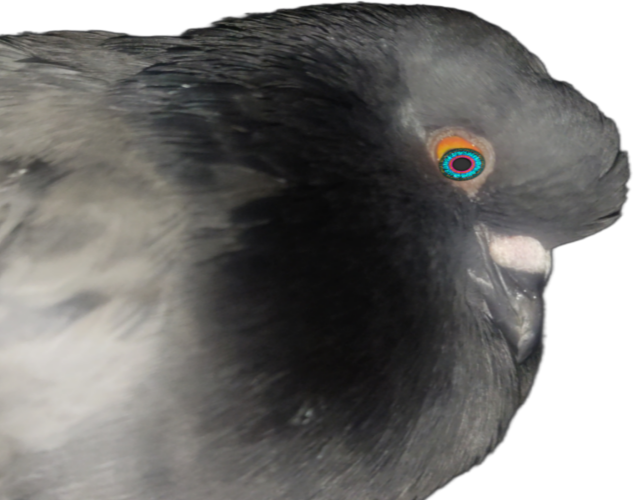

Apartment maintenance activities like pressure washing often coincide with bird nesting seasons, leading to the illegal destruction of active nests. The Migratory Bird Treaty Act protects these birds from disruption. Residents can intervene by documenting nest locations and informing management of federal laws to prevent harm to fledglings.
Reporting potential violations to the U.S. Fish and Wildlife Service and collaborating with local conservation groups provides essential protection for nesting birds. Consistent monitoring of management actions and legal follow-up ensure that maintenance work respects breeding periods. These efforts help maintain bird populations and promote responsible property management.
My apartment complex forces us to clear our patios once a year for building pressure washing, which is a major hassle. I honestly have to question the logic—why not schedule this work during unit vacancies to avoid disrupting residents?
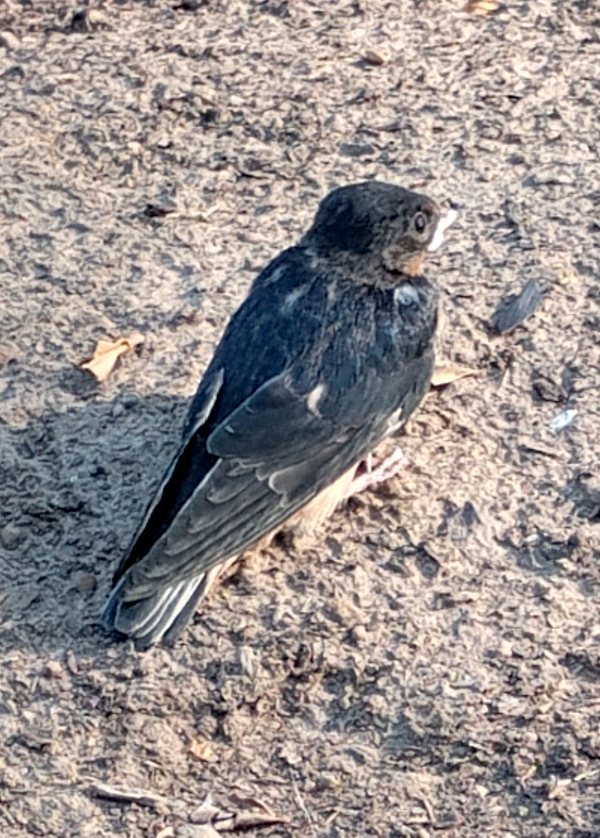
Last year’s pressure washing brought home the harsh reality of baby bird season. Many active nests around the complex were destroyed, and fledglings right below my unit perished in the aftermath. This heartbreaking experience led me to investigate and discover that their actions violated federal law—specifically the Migratory Bird Treaty Act, which prohibits destroying active migratory bird nests. By the time I reported it to authorities, I lacked sufficient photographic evidence of active nests; photographs of washed-away nests were too late. Now, with the complex planning to repeat this process, I felt compelled to write this article to assist others facing similar situations and answer their questions.
Destroying active migratory bird nests is illegal under federal law. Violations can be reported to the U.S. Fish and Wildlife Service.
If your apartment complex plans maintenance work during the critical baby bird season from March through August, which includes activities like invasive landscaping or pressure washing that may disrupt active nests, here’s what you can do:
- Notify Management: Immediately send a clear and concise letter (or documented email) to your building’s management, informing them of active bird nests, detailing their location, and requesting that maintenance work be postponed until after nesting season concludes.
- Document Active Nests: Take detailed photographs of active nests without disturbing them to provide visual evidence.🪺
-
Report to Authorities: Contact the U.S. Fish and Wildlife Service and your local wildlife conservation organization to report potential violations of federal laws protecting active bird nests.🚨
- Call the toll-free federal hotline at (1-844-FWS-TIPS)
- Report a tip online: https://www.fws.gov/wildlife-crime-tips
- Engage with Community Resources: Collaborate with local birdwatchers or conservation groups who can offer support and additional resources.
- Follow Up on Responses: Continuously monitor management’s responses and take further action if necessary, such as attending meetings or escalating concerns through legal channels.
- Stay Informed: Educate yourself about the specific nesting seasons of birds in your area to anticipate potential disruptions.
By taking these steps, you can help protect vulnerable bird populations and ensure that maintenance activities are conducted responsibly during critical breeding periods.
Please do not be afraid to speak up for the birds that cannot speak for themselves. They need a voice to protect them from disruptive human activities during their nesting seasons. Your apartment complex should not retaliate or take punitive actions against you for requesting compliance with federal laws. So, if you notice any disturbances affecting bird nests, please take action! Be a voice for our feathered friends.
Thank you for reading! If you have shared experiences with nesting birds in your area, I would love to hear from you in the comments below.
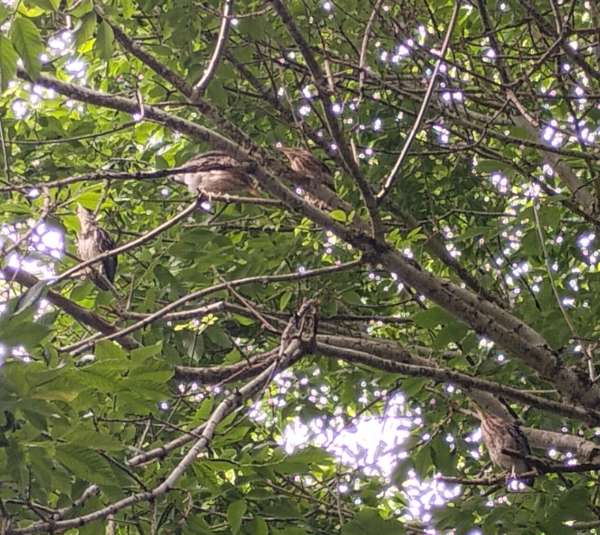
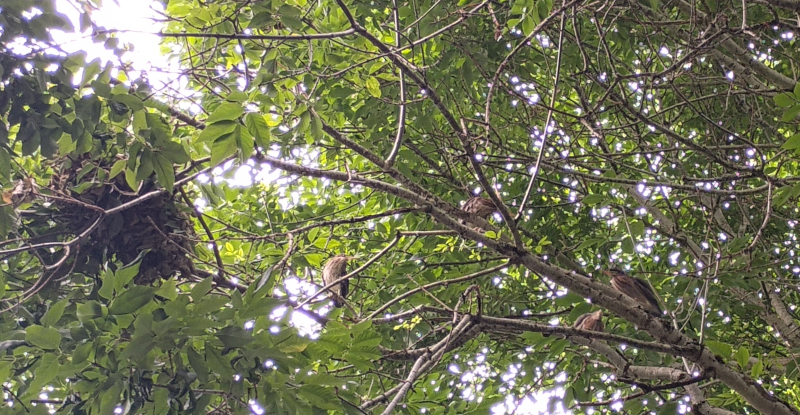
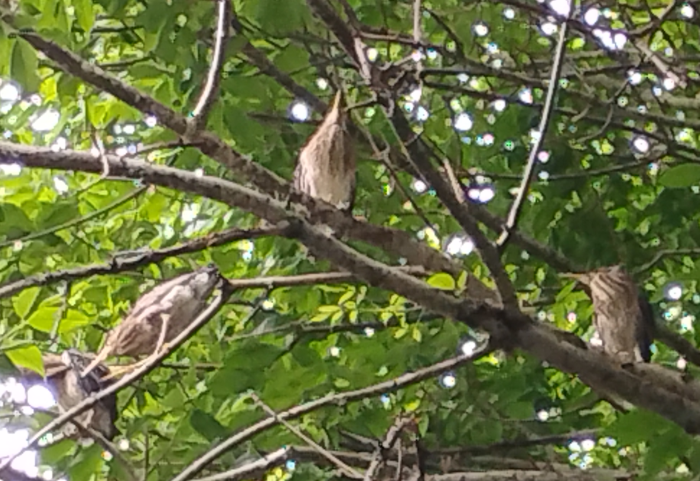
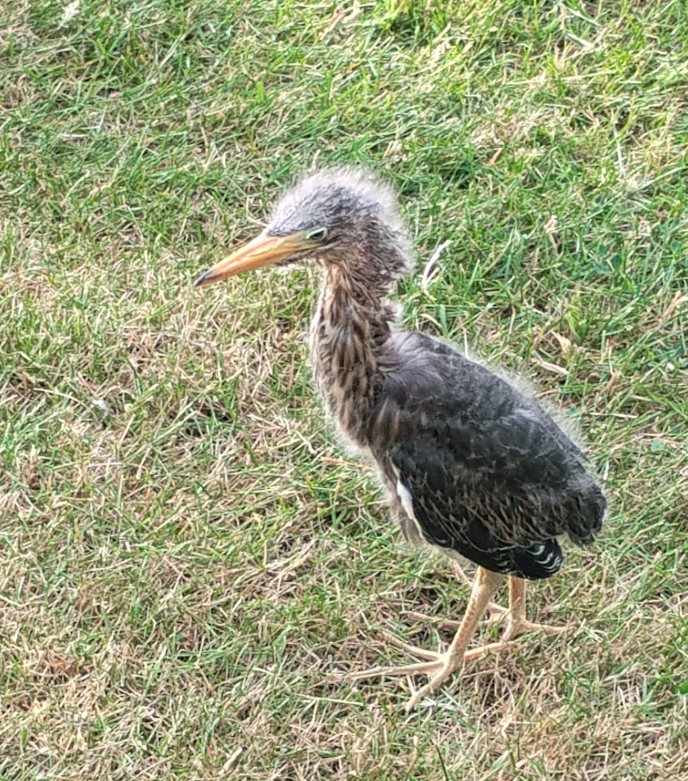
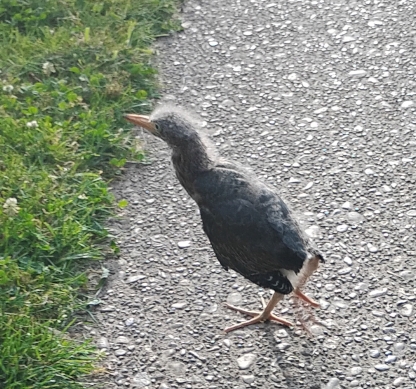
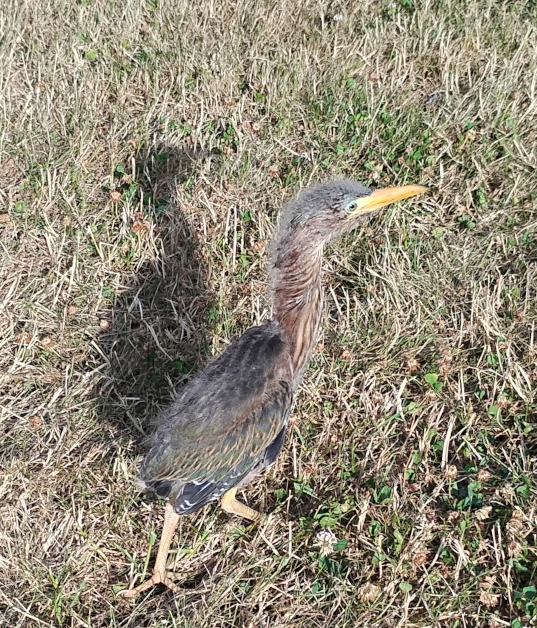
Check out the photos below of some baby birds I’ve encountered this year!
⬇️⬇️⬇️
Leave a Reply