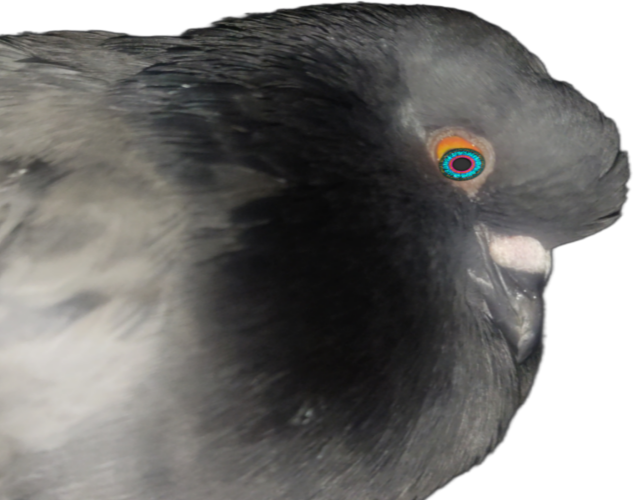
When I’m walking my dog, sketching outdoors, or strolling thru the park, one of my favorite pastimes is simply observing the wildlife around me. Geese 🪿 grazing across open grass, ducks🦆 floating on pond water, crows foraging for food, and squirrels🐿️ burying nuts—these fleeting moments are a grounding reminder of our deep connection to the natural world.
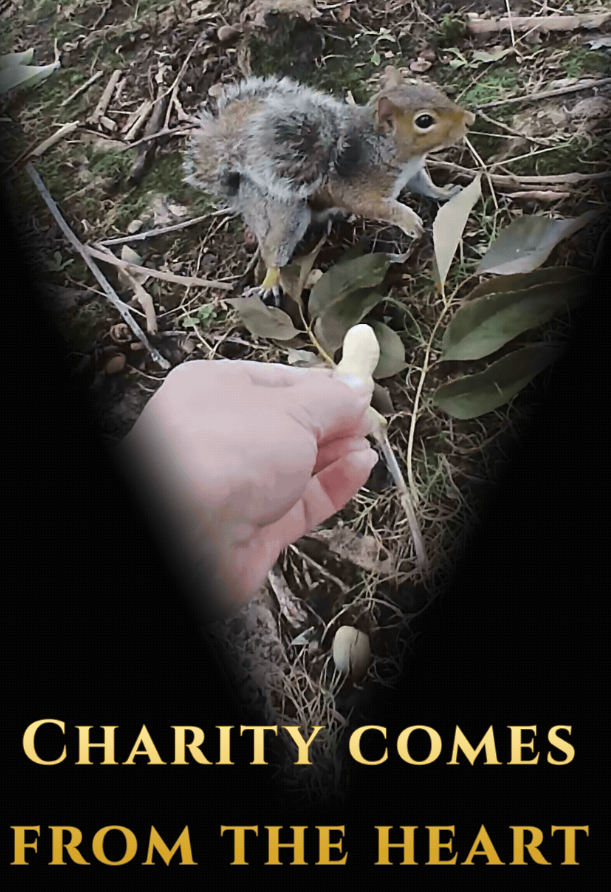
Yesterday morning, I was walking my dog when I spotted a squirrel. My intention was simple: I knelt down to offer it a peanut from my hand. 🥜
Almost immediately, a lady walking her own dog approached me. “You really shouldn’t be doing that,” she said.
My response was straightforward. “Worry about yourself; I’m not hurting you or anyone else, so please do not worry about what I am doing.“
She pressed on with a more serious concern: “It will be your fault if a dog kills a squirrel.”
I responded confidently, “I am confident that most wildlife knows how to flee a predator. If you have a real problem with it, contact the companies that sell the food that enables me to feed wildlife.“
She insisted that the food at the store is for pets only. I informed her she was incorrect and directed her to check out the wildlife section of the nearest store which was Walmart. When I told her that feeding squirrels makes me happy, her tone shifted from concern to judgment: “If that makes you happy, then maybe you need help.“
Her parting words weren’t about nature; they were more about a personal attack on my mental state. This interaction left me reflecting on why some people are so irked by simple acts of kindness toward wildlife. Is it truly about the act of feeding itself? Or is there something deeper driving that reaction? Sometimes, I wonder if they project their own insecurities onto harmless activities, using them as a convenient outlet to express dissatisfaction with those who don’t align with societal expectations.
As humans, we have boundless resources. Why shouldn’t we use them to nourish the lives of other creatures? Feeding a squirrel or crow a peanut isn’t about creating dependency; it is an act of kindness and connection. The natural world is replete with diverse food sources—our humble offerings merely supplement what exists naturally.
Just because a squirrel accepts a peanut doesn’t mean they are dependent on me for survival. They have established routines and other food sources; they simply appreciate the extra care and attention. I’ve discovered that small acts of kindness—like feeding wildlife—can become powerful conduits for personal connection and meaning-making.
There are far worse things to worry about in this world than someone who loves nature enough to share their resources. In fact, the hunting industry poses a much greater threat to many species compared to occasional feeding by individuals like myself. The hunting industry takes life for sport; offering food does not.
It’s important to foster understanding and encourage positive actions, rather than assigning blame to those who simply wish to share their joy and resources with the natural world.
Ultimately, feeding wildlife brings immense joy and a deeper connection to our environment. While it’s important to be mindful of potential concerns, there are far greater issues at play in the world that we should focus on addressing. So, whether you’re feeding humingbirds, ducks, birds, or squirrels, enjoy every moment and cherish the moments of happiness they bring.
If you’re curious about the world of wildlife feeding, check out YouTube where enthusiasts create elaborate seed and nut buffets for wildlife. I love observing the diverse wildlife that gather to feast, forage, and snack. It’s a treat for both humans and animals alike. (See Links Below)
Have you ever encountered someone who questioned why you feed wildlife? How do you explain your motivation or share your perspective? Let me know your experiences in the comments below!🥜🐿️
©️ Magnetic Frequency – Veneiveena MourningBird
Leave a Reply